P/N 2455038-2: Rear Engine Compartment Baffle
P/N 2455038-2: Rear Engine Compartment Baffle
Blog Article
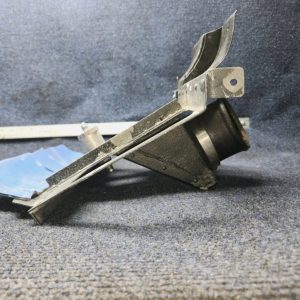
The Cessna 172RG Rear RH Baffle Assembly
The Cessna 172RG Rear Right-Hand Baffle can support airflow management, while the Cessna 172RG Engine Baffle and Cessna 172RG Cooling Baffle descriptions should not imply universal interchangeability.
The Cessna 172RG Baffle Assembly works with surrounding seals and panels, while the Rear RH Engine Baffle should not be evaluated as an isolated piece.
The Cessna Engine Cooling Baffle works with other Cessna 172RG Engine Compartment Parts to reduce unwanted air leakage and direct airflow through intended cooling paths.
The Cessna Aircraft Engine Baffle, Engine Cooling Baffle Assembly, Cessna Cutlass Cooling System Part, and Cessna 172RG Replacement Baffle terms represent related maintenance and commercial searches.
Why Exact Baffle Part Numbers Matter
Every digit, dash, revision, or associated marking should be recorded because similar-looking baffles can differ in contour, holes, brackets, seals, and eligible applications.
Strong traceability improves the commercial and maintenance value of the Cessna 172RG Rear RH Baffle Assembly.
Purpose of the Rear RH Engine Baffle
The rear right-hand baffle helps guide cooling air through intended paths around the engine installation rather than allowing it to escape through uncontrolled gaps.
Cooling performance depends on proper pressure differences, sealed boundaries, suitable airflow paths, and accurate baffle positioning.
Avoiding Incorrect Baffle Substitution
A rear right-hand baffle should not be advertised as suitable for every Cessna 172 model merely because the aircraft share a related airframe family.
The replacement baffle should align naturally with surrounding parts and retain required clearances.
Cessna Baffle Flanges and Brackets
The exact material, thickness, temper, finish, and construction should be confirmed through applicable technical check here information when required.
Unauthorized bending, hammering, heating, grinding, drilling, or trimming can damage the assembly and affect its relationship with adjacent components.
Assessing a Used Cessna Baffle
Paint, oil residue, dirt, and old seal material can conceal findings that require closer review.
Previous patches, stop-drilled cracks, replacement brackets, welds, or enlarged holes should be documented.
Baffle Seal Condition and Air Leakage
Accurate seal information helps buyers calculate the complete repair requirements.
Excessively stiff or incorrectly positioned material can interfere with cowling installation or fail to seal properly.
Protecting Aircraft Cooling Components
Corrosion inspection should address exposed surfaces, overlapping joints, fastener areas, lower edges, brackets, and locations where moisture or contaminants can collect.
Protective coatings should be compatible with the material and intended engine-compartment environment.
Evaluating Fretting and Elongated Holes
Detailed attachment-point inspection supports accurate repair planning.
Fastener type, diameter, grip, spacing, and installation method should correspond with applicable data.
Supporting Components Around the Rear RH Baffle
The complete engine-compartment area should be inspected before parts are ordered.
Clear component control reduces accidental installation of unverified engine-compartment parts.
Diagnosing Cessna 172RG Cooling Concerns
Temperature sensors and gauges should be evaluated when readings appear inconsistent with other operating evidence.
Maintenance personnel should identify all relevant findings and correct them through appropriate procedures.
Evaluating Baffle Repair Value
Repair should not be selected only because it appears less expensive initially.
Unauthorized welding, oversized fasteners, excessive material removal, or uncontrolled bending can reduce suitability.
Commercial Value of the Cessna 172RG Baffle
A clean appearance can improve presentation but does not replace detailed inspection.
The listing should state whether the component is new, used, repaired, inspected, untested, serviceable, or offered for parts.
Inspecting the Baffle Before Purchase
Any uncertainty regarding orientation, completeness, engine clearance, or aircraft compatibility should be resolved before shipment.
- Determine whether seal material, retainers, fasteners, clips, brackets, records, or release documents are included.
- Arrange qualified evaluation whenever geometry, material loss, repair quality, or installation suitability remains uncertain.
- Report freight damage, missing pieces, dimensional differences, undisclosed repairs, corrosion, or identification discrepancies promptly.
Safe Handling of P/N 2455038-2
Padding should prevent direct contact with hard surfaces without trapping damaging moisture.
Heavy objects should never be stacked on the baffle.
Installing the Cessna 172RG Rear RH Baffle
Installation should be completed by appropriately qualified aviation maintenance personnel using applicable aircraft, engine, parts, and maintenance information.
Correct workmanship supports a secure and effective cooling-air boundary.
After installation, technicians should inspect mounting security, seal contact, clearances, cowling fit, airflow gaps, interference, and completeness.
Routine Cessna Cutlass Baffle Care
Long-term maintenance includes periodic inspection of the baffle, seals, fasteners, brackets, adjacent panels, cowling contact areas, protective finishes, and corrosion-prone locations.
Preventive maintenance protects both P/N 2455038-2 and surrounding Cessna 172RG Engine Compartment Parts.
Selecting a Cessna 172RG Cooling Component
P/N 2455038-2 can become a valuable engine-compartment component.
The baffle should be judged according to complete installation suitability rather than clean appearance, general Cessna similarity, donor-aircraft status, or purchase price alone.
Whether the project involves Cessna 172RG Engine Compartment Parts, an Aircraft Cooling Air Baffle, a Cessna 172RG Airflow Baffle, or a Cessna Aircraft Engine Baffle, every component should be inspected individually.
With responsible purchasing, part-number research, careful handling, alignment checks, and appropriate workmanship, the assembly can remain a valuable engine-compartment asset.
Report this page